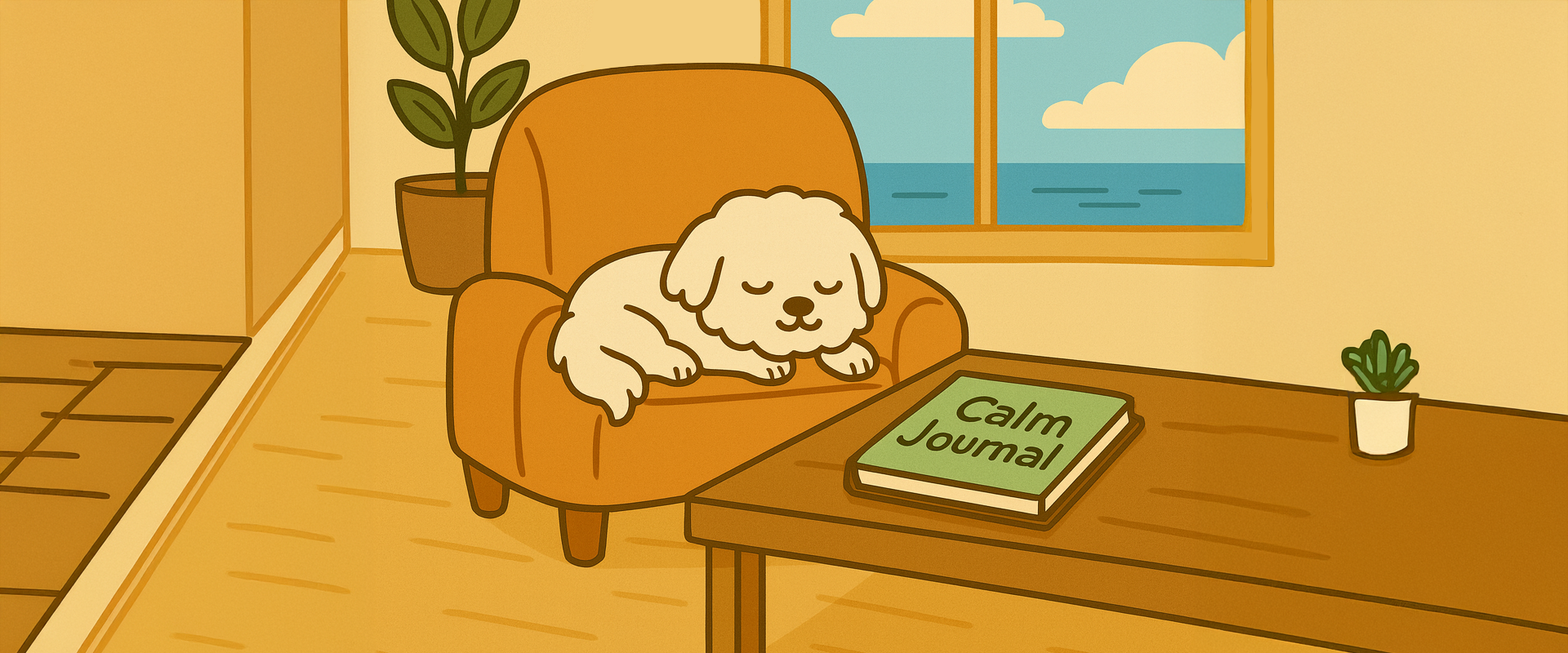
Calm Journal

Welcome to the Calm Journal, a peaceful space where creativity and occupational therapy come together.
Here you will find simple ideas, thoughtful reflections and supportive practices to bring more calm connection and creativity into everyday life. Whether you are coloring, caregiving, teaching or taking a quiet moment for yourself these posts are written to encourage presence, curiosity and comfort in a gentle way.
Topics you can explore:
The benefits of coloring for calm and focus
How simple coloring routines can ease stress, support attention and help you feel more grounded and relaxed.
How to set up a calm corner for home or school
Practical ways to create a comforting space that supports regulation, rest and creativity.
Gentle sensory strategies for everyday regulation
Daily supports and sensory ideas help the body feel steady, relaxed and ready for the moment.
Creative activities that support emotional balance
Lighthearted creative practices that nurture well-being and spark joy.
More reflections will appear here as they are added.
A quick note
Some posts may include links to supplies or comfort tools I find helpful. As an Amazon Associate, I may earn from qualifying purchases at no extra cost to you. Thank you for supporting OT Crafted Calm so I can continue creating calming resources and gentle inspiration.
If you are new here, you may enjoy beginning with The benefits of coloring for calm and focus. It is a simple and encouraging place to start.
The Benefits of Coloring for Calm and Focus
In a world that moves quickly, finding calm can feel like a challenge. Between responsibilities, noise and constant screens, our minds rarely get the quiet moments they need to rest and reset. One of the simplest ways to slow down and refocus is through coloring.
Coloring invites you to pause. It gives your hands something steady to do while your thoughts begin to settle. As you fill a page, your breathing slows and your attention shifts away from stress and toward the present moment. This mindful focus is one of the reasons coloring has become a favorite tool for emotional regulation and relaxation.
From an occupational therapy perspective, coloring supports both sensory and cognitive regulation. The act of choosing colors, staying within lines and moving a pencil or marker across the page engages the brain in gentle, rhythmic movement. These small motions promote fine motor control and coordination while helping the body find a natural sense of balance.
Coloring also supports attention. When you focus on filling shapes or patterns, your brain experiences something called “flow.” Flow is a mental state where time seems to fade and focus deepens. It is calming because it allows your brain to rest from multitasking and external demands. This can be especially helpful for people who struggle with anxiety, attention difficulties or daily stress.
Many people find that coloring before bed helps quiet their thoughts and prepare for rest. Others use it as a mid-day break to reset energy and improve concentration. Even short coloring sessions can help lower heart rate, ease tension and support a more peaceful mindset.
If you are new to coloring, start with simple pages. Choose designs that are easy to see and not overly detailed. This helps prevent visual overwhelm and lets you focus on the experience rather than perfection.
That philosophy is what inspired me to create the Cozy Critter Collection, a series of large-print coloring books available on Amazon. Each book includes simple, friendly designs created to help you slow down and reconnect with creativity. The pages are uncluttered and designed with therapeutic principles in mind to support focus, regulation and calm.
Whether you are an adult rediscovering coloring after many years or someone who colors regularly as part of your routine, remember that there is no right or wrong way to color. It is not about making art. It is about giving yourself permission to relax, breathe and create.
Coloring is a small act of self-care that can lead to big moments of calm and clarity. One page at a time, you can quiet the noise, focus your thoughts and nurture your well-being through creativity.
Bring More Calm into Your Day
If coloring helps you find focus and peace, you may enjoy exploring the Cozy Critter Collection of large-print coloring books. Each book is designed with simple, uncluttered illustrations to support relaxation, mindfulness and everyday calm. You can find the full collection on the Explore Coloring Books section and begin your own creative journey toward calm and focus.
Gentle Sensory Strategies for Everyday Regulation
Our bodies are constantly taking in information through the senses. We notice sounds, textures, smells, movement and visual details even when we are not aware of it. When life feels overwhelming, it often means our sensory systems are working harder than usual to manage all that input. Sensory regulation is about helping the body find balance so the mind can feel calm and focused.
You do not need a special space or a perfect routine to support regulation. Small, intentional sensory moments throughout the day can make a meaningful difference. Here are a few gentle ways to bring balance and calm into everyday life.
1. Ground through touch
Textures can have a powerful impact on comfort. Soft blankets, smooth stones or a warm mug of tea can offer grounding input when emotions feel scattered. Take a moment to notice how something feels in your hands. Slow movements and mindful touch remind your body that it is safe and supported.
2. Use movement to reset
Our bodies naturally seek movement to stay regulated. Stretching, walking, rocking in a chair or even gentle shoulder rolls can help release tension and improve focus. Movement increases oxygen flow and helps organize sensory input, making it easier to think clearly and feel centered.
3. Notice sounds
Sound can calm or overwhelm depending on what we choose to surround ourselves with. Soft instrumental music, nature sounds or white noise can create a peaceful background when things feel too busy. Silence can also be restorative. Take a few minutes to sit quietly and notice the sounds that bring you peace.
4. Create calming visual spaces
Clutter and harsh lighting can contribute to stress. Try soft light, natural colors or a small area where your eyes can rest without distraction. Even a few minutes of coloring can serve as a visual reset, allowing your brain to focus on simple, rhythmic movement instead of visual overload.
5. Engage your sense of smell
Scent connects directly to emotion and memory. Diffusing essential oils or using a few drops on a cotton ball can create a calming atmosphere. Natural scents such as lavender, orange or peppermint can promote focus and relaxation. Notice which scents help you feel grounded and use them as part of your daily routine.
6. Support oral and taste input
Sometimes regulation comes from simple comforts like sipping water through a straw, chewing crunchy snacks or enjoying a warm drink. These small actions can offer rhythmic sensory feedback that helps organize the body and mind.
7. Find your personal rhythm
Everyone’s sensory needs are different. What calms one person may overstimulate another. Take time to notice what helps you feel peaceful and alert. Some people prefer quiet moments with soft textures, while others find calm through motion or gentle background sounds. The goal is not to remove all stimulation but to create balance that feels right for you.
The key to sensory regulation is consistency. A few small sensory moments built into each day can make life feel more manageable and steady. Coloring, mindful movement, deep breathing or cozy textures are all simple ways to reconnect with calm.
Many of these ideas are woven into my OT Crafted Calm coloring books and printable guides. Each page is designed to help you slow down, focus and engage the senses in gentle ways that support emotional well-being. You can find my books on Amazon or explore more calming ideas throughout this website.
Finding calm does not have to be complicated. With a few intentional sensory moments each day, you can create a rhythm that helps your mind and body stay balanced and at ease.
Explore More Ways to Create Calm
If you enjoy finding quiet, creative moments through sensory strategies, you might also enjoy the Cozy Critter Collection of large-print coloring books. Each page is designed to support focus, creativity and gentle relaxation through simple, OT-informed art. You can find the full collection on the Explore Coloring Books section and discover how creativity can bring more calm into everyday life.
Creative Activities That Support Emotional Balance
Creativity is more than a hobby. It is a gentle way to express emotions, release stress and reconnect with the present moment. When life feels heavy or unpredictable, creative activities can help you find balance and comfort. You do not have to be an artist to benefit from creativity. Simple, accessible projects can make a meaningful difference in emotional well-being.
Here are a few creative activities that can help support calm, focus and emotional balance in everyday life.
1. Coloring for calm
Coloring gives your hands and mind something steady to focus on. The rhythmic movement of filling shapes helps quiet racing thoughts and supports relaxation. Choosing colors and creating simple patterns allows your brain to experience calm structure and control, which can reduce feelings of stress. Even ten minutes of coloring can offer a reset during a busy or emotional day.
2. Journaling through emotions
Writing offers a safe space to release feelings that may be difficult to express out loud. Try writing freely for a few minutes without worrying about spelling or structure. You can also make short lists of gratitude, daily reflections or things that bring comfort. Putting thoughts on paper helps process emotions and brings clarity to what you are feeling.
3. Painting with presence
Painting encourages you to focus on color, texture and motion. It is not about the end result but about being present in the process. Using a brush, sponge or even your fingers allows for sensory input that can calm the nervous system. Let go of expectations and simply notice how the paint moves and blends.
4. Crafting for connection
Hands-on creative projects like making cards, collages or simple crafts can build a sense of accomplishment and connection. The act of creating something to share with others can lift your mood and strengthen relationships. When you craft with care, you are giving both attention and kindness to yourself and those around you.
5. Music and movement
Listening to or creating music can shift emotional energy in powerful ways. Humming, singing or tapping to a rhythm can support emotional regulation by engaging both the body and the mind. Pairing gentle movement or stretching with music adds another layer of sensory support and helps release built-up tension.
6. Photography and mindful observation
Slowing down to notice details through photography encourages mindfulness. Focusing on light, texture or small moments of beauty can help reframe how you see your surroundings. This practice builds appreciation and can help you stay grounded during stressful times.
Creative activities help bring the body and mind into alignment. They offer space for rest and reflection while nurturing joy and curiosity. Even a few minutes of creativity each day can improve mood, focus and emotional regulation.
At OT Crafted Calm, creativity and well-being come together through simple, therapeutic tools designed to support everyday calm.
Explore Creative Calm
If you are looking for gentle ways to use creativity for emotional balance, explore the Cozy Critter Collection of large-print coloring books. Each page is designed to support focus,
mindfulness and relaxation through simple, accessible art. Visit the Explore Coloring Books section to discover how creativity can help you reconnect with calm and emotional balance one page at a time.
How to Create a Calm-Down Corner at Home or School
A calm-down corner offers a safe, welcoming space for emotional regulation and sensory support. It helps children learn how to manage big feelings, refocus their energy and build
independence in calming themselves. Whether at home, in a classroom or in a therapy setting, this simple space can make a big difference in daily routines.
Calm-down corners are not about punishment or isolation. They are about teaching self-awareness and emotional control through gentle, structured support. With a few thoughtful
items and clear expectations, you can create a space that truly helps children succeed.
Why a Calm-Down Corner Works
A calm-down corner helps children recognize when they are overwhelmed and need a break. Instead of reacting impulsively, they learn to pause, reset and return when ready. This process builds emotional awareness, patience and problem-solving skills.
For many children, especially those with sensory sensitivities, having a consistent space for calm can prevent meltdowns before they happen.
OT Crafted Calm Tip: Introduce the calm-down corner when everyone is calm, not in the middle of a difficult moment. Practice using it as part of your regular routine so it becomes
familiar and positive.
What to Include
Your calm-down corner does not need to be fancy or expensive. Start small and personalize it to fit your child’s needs.
Helpful items to include:
• Comfortable seating such as a bean bag chair, cushion or soft rug
• Calming visuals like nature scenes, coloring pages or emotion charts
• Sensory tools such as stress balls, putty, fidget items or a weighted lap pad
• A small basket with books, crayons or calm-down cards
• A timer or visual clock to help track breaks
• Optional music or white noise to support relaxation
OT Crafted Calm Tip: Keep the space uncluttered. Too many items can feel overwhelming or distracting.
Setting Expectations
Teach children that the calm-down corner is a tool, not a consequence. Encourage them to use it when they notice frustration, worry or overstimulation. You can model how to take deep breaths, stretch or color quietly while they are there.
When a child begins to recognize their own need for a break and chooses to go on their own,
celebrate that as progress. It shows growing awareness and self-regulation.
When a Child Uses the Space to Avoid Work
Sometimes children may use the calm-down corner to avoid challenging tasks or directions. This does not mean it is failing. It simply shows the need for added support and structure.
You can gently guide them by saying, “Let’s take a short break and then finish together” or by setting a visual timer for a short amount of time such as two to three minutes. Remind them that the goal is to calm their body and get ready to return, not to skip the task entirely.
If a child uses the space too often, reflect on whether the task is too difficult, the environment is overstimulating or more movement breaks are needed throughout the day.
Sensory Tools and Personal Touches
Not every child calms the same way. Some need quiet and stillness, while others benefit from movement or deep pressure. Include items that meet a range of sensory needs and let children help choose what feels good to them.
For example:
• Weighted animals or lap pads for grounding pressure
• Fidget tools for busy hands
• Soft fabrics, stuffed animals or pillows for comfort
• Pinwheels or bubbles for deep breathing practice
The key is flexibility. The space should feel safe and supportive for anyone who uses it.
For Classrooms and Groups
In a classroom, a calm-down corner can support not only individual students but also the overall classroom climate. When students learn to self-regulate, the entire environment becomes calmer.
Keep the area consistent, but rotate visuals or tools occasionally to maintain interest. Model calm-down strategies with the whole class during non-stressful times so students understand how to use the space respectfully.
Bringing It All Together
A calm-down corner is a simple yet powerful tool for teaching emotional awareness and sensory regulation. It reminds children that it is okay to take a break, breathe and begin again.
At OT Crafted Calm, my coloring books and printable resources are designed to support emotional regulation and creativity. They make wonderful additions to any calm-down space,
offering peaceful ways to focus, express feelings and restore calm, one mindful moment at a time.
Explore More Ideas for Calm and Connection
If you enjoyed these ideas, explore more ways to support calm and creativity through the Calm Journal and Helpful Tools and Supplies sections. You’ll find thoughtful tools, coloring books and OT-informed strategies created to help both children and adults build emotional balance in everyday life.